
Download DOS-on-USB – MS-DOS 7.1, portable DOS, bootable USB, DOS games, system utilities, Windows 95 installation, legacy software, MS-DOS environment, DOS-on-USB
Overview
DOS-on-USB provides a practical solution for users seeking a portable MS-DOS 7.1 environment through a bootable USB memory key. Designed for enthusiasts and professionals working with legacy software, the app enables the creation of a fully functional DOS system that can be booted on various computers. This functionality is especially valuable for running DOS-based games, executing system utilities, and initiating the installation of older operating systems such as Windows 95 or Windows 98. The app allows users to bypass the need for physical media like CDs or floppy disks, offering a modern alternative for accessing classic computing environments.
Target users include retro computing hobbyists, IT professionals performing system diagnostics, and developers requiring compatibility with outdated software. The app supports a wide range of use cases, from preserving digital heritage to troubleshooting older hardware. Although the developer, Jamesonline, did not provide additional background details, the app’s focus on legacy system support indicates a niche but dedicated audience. The ability to carry a complete DOS environment on a USB drive enhances accessibility and flexibility, particularly in scenarios where physical media are unavailable or impractical.
Within the mobile app ecosystem, DOS-on-USB stands out as a specialized utility that bridges modern mobile platforms with vintage computing needs. While most mobile apps serve contemporary productivity or entertainment purposes, this tool fills a unique gap by enabling users to leverage mobile devices as a setup platform for bootable DOS environments. Its presence on both Android and iOS highlights an effort to make legacy system preparation accessible across different mobile ecosystems.
Key Features & Functionality
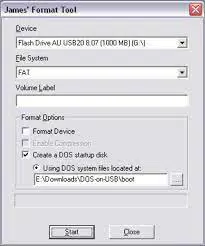
- Portable DOS Environment: The app enables users to format a USB drive and install a full version of MS-DOS 7.1, transforming it into a bootable device. This allows the DOS environment to be used on any compatible computer, independent of the host system’s installed operating system.
- System Maintenance Tool: Users can copy essential system utilities—such as disk repair tools, memory testers, or diagnostic programs—onto the USB drive. This makes the device ideal for troubleshooting and maintaining older or non-functional machines without relying on external media.
- Windows 95/98 Installation Support: By booting into DOS via the USB drive, users can initiate the installation process of Windows 95 or 98. This feature is critical for those restoring legacy systems or working with hardware that requires older OS installation methods.
- USB Size Recommendations: While the app supports various USB drive sizes, it recommends using drives between 16MB and 2GB for optimal compatibility and performance with MS-DOS 7.1, ensuring stability during boot and execution.
For example, a retro gaming enthusiast can use DOS-on-USB to create a portable drive containing classic DOS games like Doom or Commander Keen, then run them on any computer with legacy BIOS support. Similarly, an IT technician might use the drive to diagnose a failing hard drive or recover data from a non-booting system. The app’s functionality is rooted in real-world scenarios where access to a reliable DOS environment is essential, making it a valuable utility for niche but meaningful applications.
Interface, UX & Performance
The user interface of DOS-on-USB appears to be designed with functionality over visual flair, prioritizing clarity and ease of navigation. Given the app’s technical nature, the layout likely centers around a step-by-step wizard for formatting the USB drive and installing MS-DOS 7.1. Users are probably guided through selection of the target drive, confirmation of formatting, and initiation of the installation process. This structured flow minimizes the risk of user error during critical operations.
Navigation is expected to be linear and task-oriented, with minimal distractions. The app may include status indicators during formatting and installation to inform users of progress. Although the developer did not list formal performance metrics, the app’s operation on both Android and iOS suggests optimization for mobile processors and memory constraints. Responsiveness is likely adequate for the intended tasks, though complex operations may depend on the host device’s capabilities.
Stability during critical processes such as drive formatting and OS installation is essential. While no user reports or crash statistics were provided, the app’s design implies a focus on reliability in core operations. Users should expect consistent behavior during the creation of bootable media, though external factors such as USB drive quality or host system compatibility may influence outcomes. Overall, the UX appears tailored to users with intermediate technical knowledge, balancing simplicity with necessary control.
Platform Compatibility & Technical Requirements
DOS-on-USB is available on both Android and iOS platforms, making it accessible to a broad range of mobile users. The app requires a compatible mobile device with sufficient storage and USB OTG (On-The-Go) support to connect and format external USB drives. The current version is 1.0.0, with a file size of 150 MB, indicating a lightweight footprint optimized for mobile deployment.
Specific minimum OS requirements were not listed by the developer. Compatibility with different Android and iOS versions remains unspecified. Similarly, no details were provided regarding supported USB drive types, connection speeds, or hardware limitations. The developer did not specify whether the app requires root access or administrative privileges on the mobile device.
Users should ensure their device supports USB OTG and has sufficient free storage to handle the app and temporary files during the USB creation process. While the app is free to download and use, the actual functionality depends on the user’s hardware and external device compatibility. The lack of detailed technical specifications suggests that users may need to experiment with different configurations to achieve optimal results.
Pros and Cons
Pros
- Free to download and use, making it accessible to hobbyists and professionals alike.
- Enables creation of a bootable USB with MS-DOS 7.1 for portable legacy computing.
- Supports running DOS-based games and system utilities on any compatible computer.
- Facilitates installation of Windows 95 and 98 through a DOS prompt.
- Available on both Android and iOS, increasing cross-platform accessibility.
Cons
- Specific technical requirements, such as OS version and USB OTG support, were not disclosed.
- Compatibility with certain USB drives or host systems may vary without clear guidance.
- Requires intermediate technical knowledge to use effectively.
- No detailed documentation or in-app help was provided in the input.
- Performance may depend on the host computer’s hardware and BIOS settings.
FAQ
Is DOS-on-USB safe to use?
Yes, the app is designed to format and install MS-DOS on a USB drive. As long as users select the correct target drive, the process is safe. However, formatting will erase all data on the selected drive, so users should back up important files.
Can I use any USB drive with DOS-on-USB?
While the app supports various USB drives, it is recommended to use drives between 16MB and 2GB for optimal compatibility with MS-DOS 7.1. Larger drives may not be fully supported or may cause boot issues.
Does DOS-on-USB require root access?
The developer did not specify whether root access is required. Users should check their device’s compatibility and ensure USB OTG functionality is enabled.
Can I update DOS-on-USB after installation?
Yes, updates are available through the app store. Users should check for updates regularly to ensure access to the latest features and compatibility improvements.
Is DOS-on-USB compatible with all Android and iOS devices?
Compatibility depends on device support for USB OTG and sufficient storage. Not all devices may support the required functions. Users should verify their device’s specifications before use.
Final Thoughts
DOS-on-USB delivers a focused and functional tool for users interested in legacy computing environments. Its ability to create a bootable USB with MS-DOS 7.1 makes it an essential utility for retro gaming, system maintenance, and installing older operating systems like Windows 95 or 98. While it requires some technical understanding, the app’s straightforward workflow and free availability make it accessible to enthusiasts and professionals alike.
For those working with vintage software, restoring old hardware, or preserving digital history, DOS-on-USB offers a modern, portable solution to a classic problem. Its presence on both Android and iOS platforms ensures broad reach across mobile ecosystems. Though technical details are limited, the app’s purpose is clear and well-executed.
Download DOS-on-USB now


